
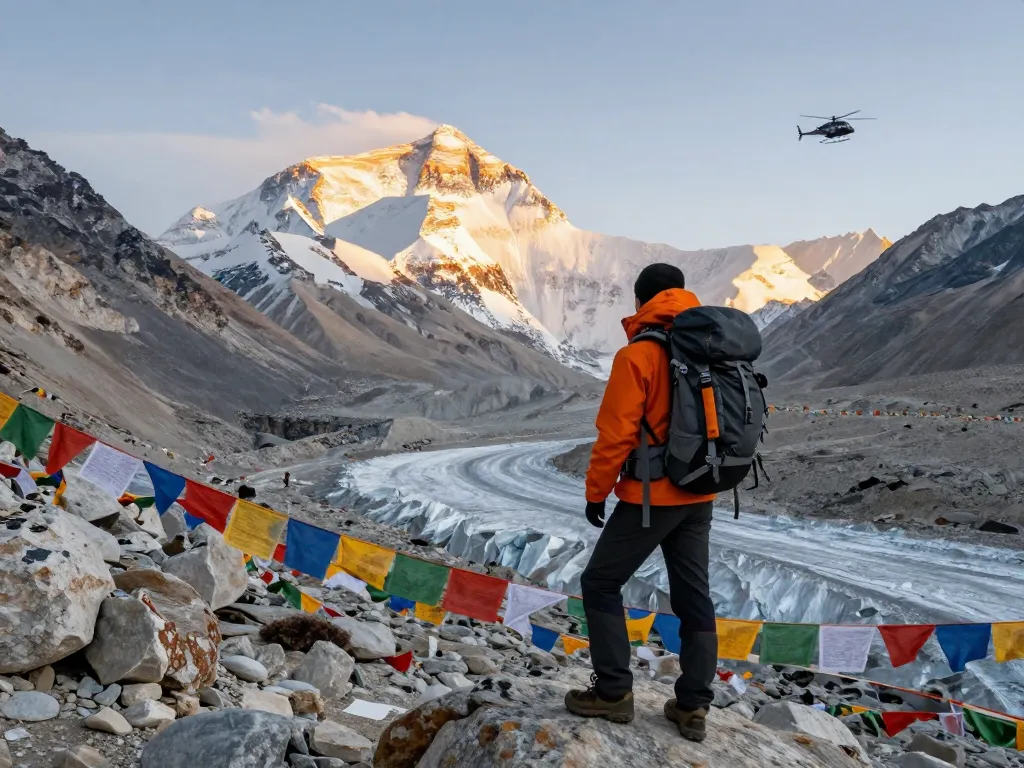
Understanding the Everest Base Camp Trek with Helicopter Return
The Everest Base Camp Trek with Helicopter Return is an increasingly popular choice for adventurers seeking to experience the majestic landscapes of the Himalayas without enduring the extensive trek back down. This journey typically combines an exhilarating trek of around 65 kilometers with a breathtaking helicopter flight back to Lukla, saving valuable time and energy for trekkers who want a taste of adventure without the full commitment. For those interested in exploring options, Everest Base Camp Trek with Helicopter Return provides comprehensive insights into this unique trekking experience.
What is the Everest Base Camp Trek with Helicopter Return?
The Everest Base Camp Trek with Helicopter Return is designed for trekkers who want to reach the base of the world’s highest peak, Mount Everest, yet prefer a quicker descent. Traditionally, trekkers would spend nearly two weeks on the trek, requiring a trek to the base camp and then retracing their steps back to Lukla. However, this innovative trekking option allows trekkers to enjoy the stunning vistas and cultural experiences of the Khumbu region while utilizing a helicopter to return to Kathmandu.
This semi-advanced trek maintains a good balance for both physical exertion and immersion in the local environment. Trekkers typically experience the same breathtaking views and challenges of the traditional trek but can enjoy added comfort with the helicopter return, making it an excellent choice for those short on time.
Key Benefits of Choosing Helicopter Return
- Time Efficiency: Reduces the overall trek duration by several days, allowing trekkers to complete the journey in approximately 12 to 10 days.
- Stunning Aerial Views: Provides a unique perspective of the South Everest region, showcasing the magnificent mountain peaks from above.
- Less Physical Strain: The trek becomes more manageable as trekkers don’t have to walk back down after reaching base camp.
- Enhanced Comfort: Offers a more comfortable experience, particularly for those who may struggle with multiple days of downhill trekking.
- Safety Considerations: In adverse weather conditions, the helicopter offers a safer exit option from the mountains.
Differences Between Traditional Trek and Helicopter Return
The differences between the traditional Everest Base Camp trek and the helicopter return trek are notable. The traditional trek involves a rigorous 14-day round trip, with trekkers reaching heights of over 5,364 meters at base camp before journeying back down. It requires physical stamina and acclimatization strategies to handle altitude sickness, as trekkers are exposed to changing elevations daily.
In contrast, the helicopter return option allows trekkers to only trek for about 65 kilometers, which consists of significant ascents and descents but then returns them rapidly to Lukla via helicopter. This option provides trekkers with more time to rest and enjoy the scenery without the extensive physical demands associated with the traditional trek.
Essential Preparations for Your Trek
Training and Fitness Requirements for Trekking
Preparation is crucial for a successful trek to Everest Base Camp. Although the trek with helicopter return reduces the physical strain compared to the full trek, a solid fitness level is still necessary. Trekkers should engage in aerobic training, such as hiking, running, or cycling, at least three times a week for several months prior to the trek. This preparation will help build endurance, strength, and stamina needed for the elevation gain and daily trekking hours.
Additionally, incorporating strength training, particularly for the legs and core, can enhance overall trekking performance. It’s also beneficial to include hikes at altitude as part of your training to familiarize your body with lower oxygen levels.
Packing List for the Everest Base Camp Trek
When packing for the Everest Base Camp trek, it’s essential to prepare for varying weather conditions and the physical demands of the trek. Here’s a recommended packing list:
- Sturdy trekking boots with good ankle support
- Moisture-wicking base layers
- Insulating mid-layers (fleece or down jackets)
- Waterproof outer layers (jacket and pants)
- Warm hat, gloves, and neck gaiter
- Hydration system or water bottles
- Snacks (energy bars, nuts)
- Headlamp or flashlight with extra batteries
- Sunscreen and lip balm
- First aid kit and personal medications
Permits and Regulations to Consider
Before embarking on the Everest Base Camp trek, trekkers must secure specific permits. The most important permit is the Sagarmatha National Park Entry Permit, which costs approximately USD 30 and allows access to the protected area surrounding the base camp. Additionally, trekkers should obtain a Trekkers’ Information Management System (TIMS) card, which helps ensure visitor safety and safety records in remote regions. These permits can be acquired through any registered trekking agency in Nepal or at Kathmandu’s tourism office.
Exploring the Trekking Itinerary
Day-by-Day Breakdown of the Journey
- Day 1: Arrive in Kathmandu – Orientation and trek briefing.
- Day 2: Fly to Lukla and trek to Phakding (2,610m).
- Day 3: Trek to Namche Bazaar (3,440m) – Acclimatization day.
- Day 4: Trek to Tengboche (3,860m).
- Day 5: Trek to Dingboche (4,410m).
- Day 6: Acclimatization day in Dingboche.
- Day 7: Trek to Lobuche (4,940m).
- Day 8: Trek to Everest Base Camp (5,364m) and return to Gorak Shep (5,164m).
- Day 9: Early morning hike to Kala Patthar (5,545m) for sunrise views, then helicopter return to Lukla.
- Day 10: Fly back to Kathmandu.
Altitude Acclimatization Strategies
Acclimatization is critical for reducing the risk of altitude sickness during the trek. It is recommended to follow the “climb high, sleep low” principle, which involves ascending to higher elevations during the day but returning to a lower altitude for sleep.
Additionally, allotting extra days for acclimatization, especially in places like Namche Bazaar and Dingboche, helps your body adapt to decreased oxygen levels. Regular hydration and avoiding alcohol and smoking also contribute positively to the acclimatization process.
Highlights and Must-See Attractions Along the Route
The trek to Everest Base Camp is not only about reaching the destination but also about the spectacular sights along the way. Key highlights include:
- The historic town of Namche Bazaar, a bustling hub of local culture and trade.
- The Tengboche Monastery, offering stunning views of Everest and an insight into Sherpa culture.
- Dingboche, known for its beautiful fields of barley and incredible views of the surrounding peaks.
- The stark yet beautiful landscape around Gorak Shep, often described as a moon-like terrain.
- Everest Base Camp itself, where trekkers can soak in the grandeur of the surrounding mountains.
Safety and Health Considerations
Managing Altitude Sickness During the Trek
Altitude sickness can affect anyone, regardless of fitness levels, when trekking at high altitudes. Symptoms can vary from mild headaches to severe complications. Key strategies to manage altitude sickness include:
- Ascending gradually and allowing your body time to adjust.
- Staying well-hydrated and consuming high-carbohydrate meals.
- Recognizing early symptoms and descending if they worsen.
Important Health Precautions and First Aid
Bringing a well-stocked first aid kit is vital. Key items should include:
- Medications for headaches, nausea, and altitude sickness (e.g., Diamox).
- Band-aids and antiseptic wipes for minor injuries.
- Insect repellent and sunblock to protect against harsh environments.
It’s also imperative that trekkers are aware of their health and physical limits and communicate any concerns with their guides.
Safety Protocols for the Helicopter Return
Helicopter safety protocols are crucial for ensuring trekkers’ well-being during the return journey. Passengers should always:
- Wear seatbelts during takeoff and landing.
- Follow the pilot’s instructions and safety briefings.
- Be aware of weight limits and luggage regulations to prevent any in-flight complications.
Future Trends in Trekking Adventures
Emerging Technologies in Trekking
The trekking industry is continuously evolving with technological advancements. GPS navigation, mobile apps for trail maps, and wearable health-monitoring devices are becoming standard for trekkers.
Moreover, sustainable trekking practices, supported by technological innovation, are gaining prominence, allowing trekkers to reduce their environmental footprint while enhancing their trekking experience.
Sustainable Practices for Eco-Friendly Trekking
As awareness about environmental issues grows, trekkers are encouraged to adopt eco-friendly practices. This includes:
- Utilizing biodegradable products and minimizing waste.
- Supporting local economies by purchasing from local vendors.
- Participating in local conservation efforts during your trek.
Predictions for Trekking Popularity in 2026 and Beyond
With increasing global travel trends and rising interest in adventure activities, trekking, especially in iconic locations such as Everest Base Camp, is expected to gain popularity in the coming years. Trekking companies are likely to innovate and offer more customized experiences, accommodating diverse preferences among trekkers.
What is the typical cost of the Everest Base Camp Trek with Helicopter Return?
The cost of the Everest Base Camp Trek with Helicopter Return can vary based on several factors, including the trekking agency, the duration of the trek, and the services included. On average, prices range from USD 1,800 to USD 3,200. Costs typically cover accommodation, meals, permits, guides, and the helicopter return flight.
How physically demanding is the Everest Base Camp Trek?
The Everest Base Camp trek is moderately demanding. Trekkers should be prepared for long days of hiking and challenging altitude conditions. However, the helicopter return significantly reduces the strain compared to the traditional trek, making it more accessible for various fitness levels.
What should I expect during the helicopter return flight?
During the helicopter return flight, trekkers can expect breathtaking aerial views of the Himalayas. Flights are relatively short, lasting around 30 to 40 minutes, and provide an exhilarating end to the trek. It’s a unique opportunity to view the landscape you’ve just traversed from a bird’s eye perspective.
Can I trek solo or should I join a guided tour?
While it’s possible to trek solo in Nepal, it is highly recommended to join a guided tour, especially for the Everest Base Camp trek. Guided tours provide safety, local knowledge, and logistical support, making the experience smoother and more enjoyable.
What gear is absolutely necessary for the trek?
Essential gear includes sturdy trekking boots, weather-appropriate clothing, a first aid kit, hydration systems, and a reliable pack. Investing in good quality, durable gear can greatly enhance your trekking experience and ensure safety throughout the journey.