Understanding Mutual Fund Data APIs
In the rapidly evolving landscape of finance, blockchain technology has introduced innovations that are reshaping how we access and interact with financial data. One such advancement is the development of APIs for mutual funds, providing real-time insights that empower developers, trading platforms, and research institutions. With the increasing demand for efficient data retrieval and analysis, a mutual fund data API serves as a critical tool for navigating global markets, including those in China, the US, Hong Kong, and Europe. These APIs play an integral role in equipping financial professionals with the necessary information to make informed investment decisions.
What is a Mutual Fund Data API?
A mutual fund data API is a software interface that allows developers to access and manipulate data related to mutual funds and exchange-traded funds (ETFs). These APIs provide various financial details, such as real-time net asset values (NAV), transactions, holdings, and performance metrics. APIs function using web standards like RESTful services and WebSocket protocols, making data retrieval seamless and efficient. They enhance the capabilities of trading platforms and investment applications by providing timely and accurate financial information.
Key Features and Benefits of Using APIs in Fund Research
- Real-Time Data Access: Mutual fund data APIs offer up-to-date information, allowing users to make timely investment decisions based on the latest trends and metrics.
- Comprehensive Coverage: APIs often cover a wide array of funds and ETFs globally, aiding in extensive market analysis.
- Enhanced Analytics: Users can integrate API data into analytical tools to design customized research methodologies, facilitating more robust evaluation processes.
- Scalability: As organizations grow, APIs help accommodate increasing data demands without the need for extensive infrastructure changes.
Comparing APIs: Key Players in the Market
The mutual fund data API market is populated by several key players. Companies like iTick, Bloomberg, and Morningstar offer varying levels of access to funds data, focusing on aspects such as integration capabilities, reliability, and cost. When selecting a mutual fund data API, it’s crucial to evaluate parameters such as response times, data precision, customer support, and pricing models to find the best fit for your needs.
Integrating APIs into Trading Platforms
Setting Up Your Trading Environment
Integrating a mutual fund data API into a trading platform requires a clearly defined setup process. Developers must ensure they have the appropriate SDKs and coding frameworks in place, alongside a robust network architecture. Accessing the API typically involves generating authentication keys and configuring access permissions to ensure secure data transmission while preventing unauthorized access.
Best Practices for API Integration and Management
- Documentation Review: Always refer to the API's official documentation for guidelines, capabilities, and implementation examples.
- Error Handling: Implement comprehensive error handling strategies to manage unexpected responses and ensure application reliability.
- Version Control: Use version controls for APIs to maintain compatibility and manage updates effectively without disrupting the trading environment.
Case Studies: Successful API Implementations
Examining successful API implementations can provide valuable lessons. For instance, a trading platform that used an efficient mutual fund data API experienced a 40% increase in customer retention rates after streamlining their fund research processes, improving user satisfaction through faster data access and enhanced analytics tools.
Real-Time Data and Market Analysis
Understanding NAV and Its Importance
The net asset value (NAV) of a mutual fund is crucial in assessing its performance and attractiveness as an investment option. It represents the per-share value of the fund's assets minus its liabilities. Real-time access to NAV through a mutual fund data API provides investors and traders with timely information needed to evaluate investment opportunities and market trends.
Leveraging Data for Trading Strategies
Utilizing real-time data from mutual fund APIs allows traders to execute informed strategies. For instance, employing technical analysis tools such as moving averages or the Relative Strength Index (RSI) can help traders identify entry and exit points with greater accuracy. Furthermore, integrating historical data analysis against these real-time updates offers a competitive edge in gauging market sentiments and investor behavior.
Technical Analysis Tools Compatible with Data APIs
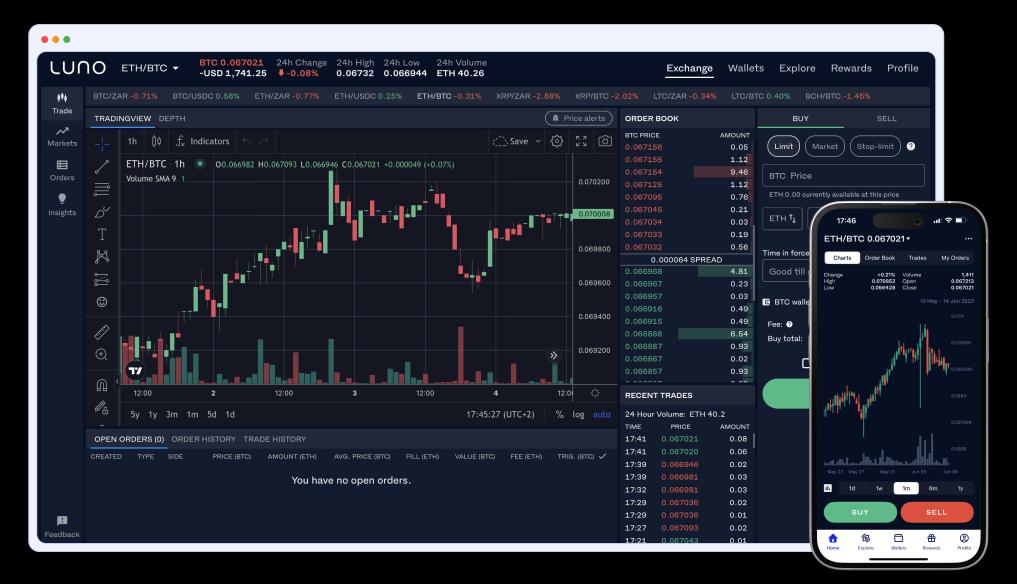
There are various technical analysis tools available that can seamlessly integrate with mutual fund data APIs. Platforms like TradingView and MetaTrader allow users to leverage API data for advanced charting and analysis. By utilizing these tools, traders can enhance their decision-making processes through visual data representation and predictive analysis models.
Security Considerations When Using APIs
Best Security Practices for API Users
- Authentication: Use strong, unique API keys, and regularly rotate them to minimize exposure to breaches.
- Data Encryption: Ensure that data transmitted through the API is encrypted using protocols such as HTTPS.
- Limit Permissions: Implement the principle of least privilege by restricting access to only the necessary endpoints for each user or application.
Recognizing Common Threats and Vulnerabilities
APIs can become targets for a range of security threats including, but not limited to, data breaches, denial-of-service attacks, and unauthorized access attempts. Vulnerabilities like these can have dire consequences for businesses that rely on data integrity and user trust. As such, recognizing and mitigating these threats is essential for maintaining a secure trading environment.
Ensuring Regulatory Compliance with Data APIs
Adhering to regulatory compliance is paramount when utilizing financial data APIs. Regulations such as the GDPR for data protection in Europe and various compliance requirements in the U.S. mandate that users ensure the API handles data responsibly. Furthermore, organizations must conduct regular audits to confirm compliance with AML/KYC regulations, thereby safeguarding against potential legal repercussions.
Future Trends in Fund Data APIs
Emerging Technologies in Financial APIs
As technology rapidly evolves, mutual fund data APIs are adapting to incorporate newer methodologies such as artificial intelligence and machine learning. These technologies facilitate advanced analytics capabilities, enabling predictive modeling and enhancing user experience by personalizing data offerings based on historical patterns and user behavior.
Impact of AI and Machine Learning on Fund Data Analysis
AI and machine learning greatly enhance the ways fund data is analyzed. By employing algorithms that learn from massive datasets, users can uncover hidden trends and anomalies that traditional analytical methods might overlook. This capability ultimately leads to improved decision-making and risk management strategies as traders can respond proactively to market shifts.
Preparing for a Decentralized Financial Future
With the rise of decentralized finance (DeFi), mutual fund data APIs are expected to evolve to incorporate functionalities that support decentralized applications (dApps). This shift may enhance the security and efficiency of financial transactions, enabling users to directly interact with funds utilizing smart contracts on blockchain networks, thereby potentially reducing costs and speeding up transaction times.
What Are the Current Regulatory Changes Affecting APIs?
The regulatory landscape for financial technologies continues to change, with 2026 anticipated to bring significant updates. Stakeholders must monitor developments regarding the SEC’s regulations on securities and the applicability of MiCA in Europe, as well as the evolving stance of regulators towards cryptocurrencies and blockchain technology.
What are the advantages of using mutual fund data APIs?
Utilizing mutual fund data APIs provides numerous advantages such as direct access to real-time and accurate data, the ability to scale with growing data needs, and improved operational efficiency through streamlined workflows and analytics capabilities. In today’s data-driven investment environment, having the right tools at your disposal is crucial for success.
How can I ensure the security of my API integrations?
To ensure the security of your API integrations, prioritize the implementation of strong authentication measures, regular monitoring of data access logs, and staying updated on emerging threats and vulnerabilities specific to financial APIs. Regular audits and employing encryption protocols for data transmission further enhance security and trust in the API infrastructure.
What tools should I use for analyzing mutual fund data?
For analyzing mutual fund data, consider tools such as Python with libraries like Pandas and NumPy for data manipulation, Tableau and Power BI for data visualization, and TradingView for technical analysis. These tools allow for comprehensive analytics and foster insightful decision-making based on real-time data retrieved from APIs.
Are there specific regulations to be aware of in 2026?
As we approach 2026, regulatory focus is likely to tighten around digital assets, including mutual funds operating via blockchain technology. Stakeholders need to remain vigilant of the SEC's evolving definitions of what constitutes a security, alongside compliance with international regulations such as AML/KYC and taxation laws evolving in response to decentralized finance trends.
How can I optimize my trading strategies with real-time data?
By leveraging real-time data from mutual fund data APIs, traders can optimize their strategies through timely insights into market movements, allowing for more agile responses to price fluctuations and news events. Incorporating data analytics into trading algorithms can further enhance predictive accuracy and identify profitable trading opportunities.