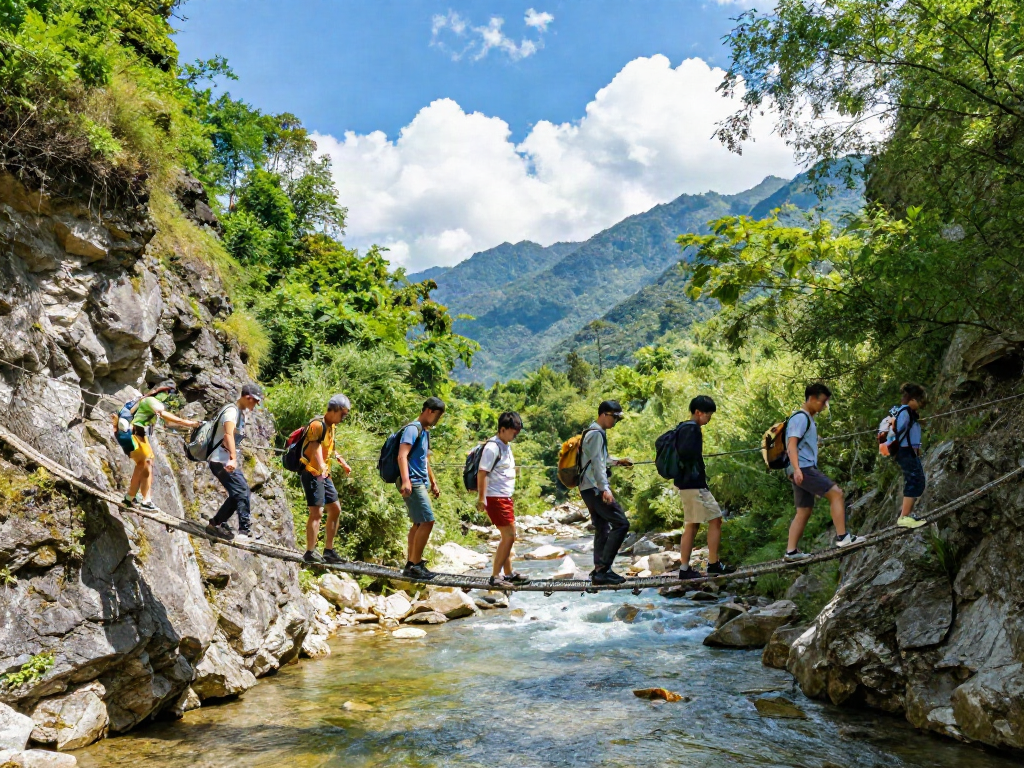
Understanding River Rope Bridges
Rope bridges have long captivated the imagination of adventurers and architects alike. Their unique ability to span gaps, especially over rivers, while blending harmoniously with the surrounding environment makes them a fascinating subject of study. Whether used as a functional crossing or a scenic attraction, a River Rope Bridge embodies creativity, engineering, and cultural heritage. In this guide, we will explore the intricate details of river rope bridges, delving into their history, design, construction, and maintenance to provide a comprehensive overview.
What is a River Rope Bridge?
A river rope bridge is a type of bridge constructed using ropes, cables, and often wooden planks, designed to allow people or goods to cross over water bodies such as rivers, lakes, or gorges. Unlike traditional bridges, which rely on solid structures and materials like concrete and steel, rope bridges use a combination of tension and flexibility, offering both functionality and aesthetic appeal. These bridges can vary in complexity from simple pedestrian walkways to elaborate structures that support heavier loads.
History and Cultural Significance of Rope Bridges
Rope bridges date back thousands of years and can be found in various cultures across the globe. The Inca civilization, for instance, famously built suspension bridges made from woven grass and rope, which connected isolated communities across the Andes Mountains. Similarly, the Q’eswachaka bridge in Peru is a UNESCO-recognized site, demonstrating the technique’s cultural significance and the skill required to maintain such structures. In many indigenous cultures, rope bridges hold symbolic meanings, representing connection and community.
Common Uses and Applications
While initially designed for practical crossings, river rope bridges have evolved in their applications. They are commonly used in:
- Trekking and Tourism: Many adventure parks and trekking routes incorporate rope bridges as thrilling attractions, enhancing the experience of navigating through nature.
- Outdoor Education: Schools and camps often use rope bridges for team-building exercises and outdoor education, teaching students about physics and engineering in a hands-on environment.
- Research and Conservation: Scientists and conservationists use rope bridges to create passageways over rivers for wildlife monitoring, minimizing human impact on ecosystems.
Designing a River Rope Bridge
Designing a river rope bridge requires careful consideration of various factors, including safety, aesthetics, and environmental impact. The design process is crucial for ensuring the bridge is both functional and visually appealing, integrating seamlessly into the natural surroundings.
Essential Materials for Construction
The materials used in constructing a river rope bridge are vital for its durability and safety. Commonly used materials include:
- Ropes: High-strength synthetic ropes are preferred for their durability and resistance to environmental factors.
- Support Beams: Wooden or metal beams may be required to provide additional support at anchor points.
- Decking Planks: Wooden planks, often treated for weather resistance, serve as the walkway for users.
- Fasteners: Heavy-duty fasteners and connectors should be used to secure all components together.
Design Considerations for Safety and Aesthetics
When designing a river rope bridge, safety must be the priority. Key considerations include:
- Load Capacity: Determine the maximum load the bridge must support and design accordingly.
- Tension and Stability: Proper tensioning of ropes is essential to maintain stability and prevent swaying.
- Access Points: Design convenient access points for users on either side of the river, ensuring ease of crossing.
- Aesthetic Elements: Incorporating natural materials and local design motifs can enhance visual appeal.
Step-by-Step Design Process
The design process for a river rope bridge typically involves several steps:
- Conducting an initial site survey to assess the terrain and river conditions.
- Creating conceptual sketches and models to visualise the design.
- Consulting with structural engineers to refine the design for safety.
- Preparing detailed plans and specifications required for construction.
- Obtaining necessary permits and adhering to local regulations.
Building Your River Rope Bridge
Once the design is finalised, the construction phase can commence. This stage is crucial to the integrity and longevity of the bridge.
Preparing the Site and Resources
Before construction starts, thorough site preparation is essential. This includes clearing debris, marking the bridge alignment, and ensuring safe access to the site for workers and materials. Adequate resources, including tools and safety equipment, must be secured prior to beginning construction.
Construction Techniques and Best Practices
Effective construction techniques are vital to achieving a safe and durable river rope bridge. Some best practices include:
- Using Proper Anchoring: Securely anchor all ropes and support beams to withstand environmental pressures.
- Regular Tension Checks: Continuously monitor and adjust the tension of ropes during construction.
- Collaboration: Ensure a team of skilled workers collaborates effectively, especially during critical phases.
Safety Measures During Construction
Safety is paramount during the construction of any bridge. Implementing strict safety protocols, including the use of harnesses for workers, regular safety drills, and clear communication, can mitigate risks. Additionally, having a qualified safety officer oversee the project can ensure adherence to safety standards.
Maintaining Your River Rope Bridge
Ongoing maintenance is essential to ensure the longevity and safety of a river rope bridge. Regular inspections and timely repairs can prevent minor issues from evolving into significant problems.
Regular Inspection Guidelines
Routine inspections help identify potential issues. Inspections should focus on:
- Condition of ropes and cables for wear and fraying.
- Stability of anchor points and support beams.
- Decking planks for rotting or damage.
- Signs of environmental wear, such as erosion around anchor points.
Common Repair Techniques
When issues are identified, employing effective repair techniques is crucial. Common repairs include:
- Replacing worn or frayed ropes to maintain safety.
- Reinforcing anchor points that show signs of movement.
- Repairing or replacing damaged decking to ensure user safety.
Seasonal Maintenance Checklist
Seasonal changes can impact the structural integrity of a rope bridge. A maintenance checklist can include:
- Inspecting for winter weather damage, such as ice accumulation.
- Clearing debris and vegetation that could affect access points.
- Checking for signs of animal activity that could compromise the structure.
- Performing a complete structural assessment at the onset of spring.
Future Trends in Rope Bridge Design
The field of bridge design is continually evolving, influenced by technological advancements and environmental considerations. The future of river rope bridges promises innovative solutions and sustainable practices.
Innovations in Materials and Techniques
Recent developments in materials science have led to the creation of stronger, lighter materials that offer greater durability. Innovations such as carbon fibre ropes and environmentally friendly composite materials are becoming increasingly popular, enhancing the longevity of bridges while reducing their environmental footprint.
Environmental Considerations and Sustainability
As the focus on sustainability continues to grow, the design and construction of river rope bridges are adapting to incorporate eco-friendly practices. This includes using local materials, minimising land disturbance during construction, and implementing designs that support local wildlife.
Community Impact and Engagement Initiatives
Future trends in rope bridge design will likely emphasise community involvement and engagement. Involving local communities in the design process can ensure that bridges meet their needs while fostering a sense of ownership and responsibility towards maintenance.
What materials are best for building a River Rope Bridge?
When selecting materials for a river rope bridge, it is essential to choose high-quality, weather-resistant options. Synthetic ropes, treated wood, and corrosion-resistant metal components are preferred for their durability and safety.
How can I ensure safety when crossing a rope bridge?
Ensuring safety while crossing a rope bridge involves adhering to weight limits, using handrails if available, and crossing one person at a time to maintain balance.
Where can I find plans for constructing a rope bridge?
Plans for constructing a rope bridge can often be found through manufacturers of rope bridge kits, outdoor education resources, or architectural design publications.
What are the costs involved in building a River Rope Bridge?
The costs associated with building a river rope bridge can vary widely based on materials, design complexity, and location. A detailed budget should account for materials, labour, permits, and any additional features.
What types of activities can a River Rope Bridge support?
A river rope bridge can facilitate various activities, including hiking, nature walks, educational tours, or simply providing a scenic viewpoint for visitors to appreciate the surrounding landscape.