
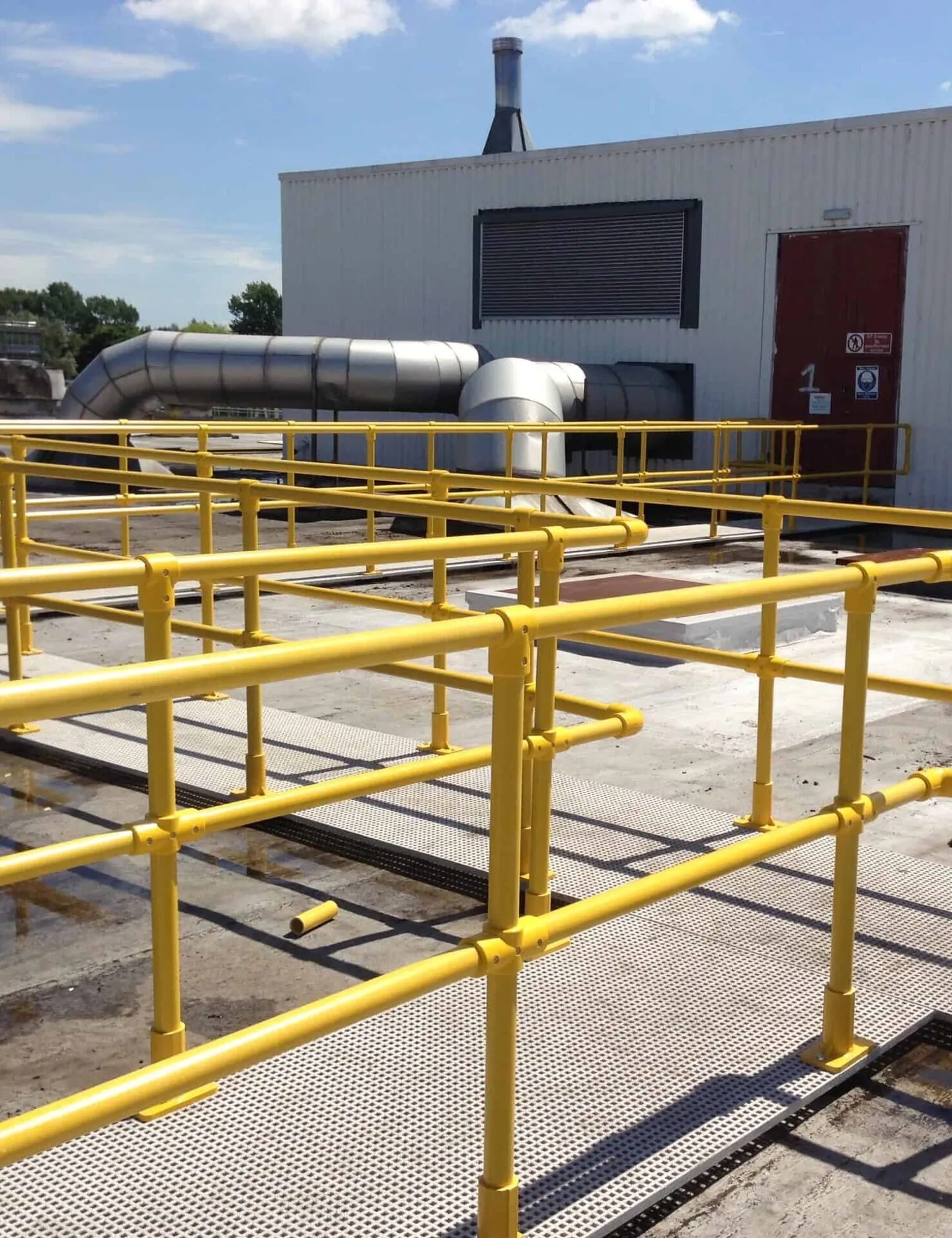
Engineered Composites supplies glass reinforced plastic items built for tough industrial work. These items mix glass fibres with resin to create strong yet light sections. GRP Manufacturer sits at the centre of many orders. They handle fire risks while fighting rust and blocking electricity. Rail, building, water and sea projects use them every week. Steel often rusts in wet or chemical places and needs constant care. Engineered Composites offers a different path with profiles that stay sound for years. Access frames and supports stay safer as a result. Test results match British rules so users know what to expect.
Core Strengths Found in These Profiles
Engineered Composites keeps focus on materials that carry loads yet stay easy to move. GRP Fire Retardant Profiles usually reach Class 2 fire marks in British tests. The rating slows flame travel and helps in closed or risky zones. Pull strength sits high enough for frames and supports. Weight stays well under steel levels, so trucks and lifts face less strain. No power flow through the material protects staff near live wires. Sun and chemical resistance stretch outdoor life.
Water take-up stays low, so no swelling or soft spots appear. Box, channel, angle and beam shapes keep the same sizes batch after batch.
Rules That Guide Production Quality
Engineered Composites runs every batch under ISO 9001 checks. The pultrusion method pulls fibres and resin into long, even lengths. High glass levels meet the strength numbers required. BS EN 13706 sets grades like E23 for load-bearing work. Flex strength and stiffness must hit set floors before shipping. Fire tests prove how GRP Fire Retardant Profiles behave in heat.
Thin surface layers guard against weather and keep colour steady. Size checks run throughout the line to hold tight limits. Full records tie each piece back to its raw stock for clear tracking.
Clear Gains Against Steel and Similar Metals
Steel needs paint or zinc coats to slow rust, especially near water or chemicals. Engineered Composites materials skip that whole loop. Weight drops by as much as seventy percent and speeds up site work.
GRP Fire Retardant Profiles can be cut and fixed with normal tools and often need no hot work permits. Heat moves slowly through them, which helps in some building jobs. No magnetic or electric pull suits signal areas and rail work.
Hits leave less lasting damage than on metal. Full life costs fall because replacements happen far less often. These points push many teams toward the material for lasting builds.
Where the Profiles See Daily Use
Rail jobs fit Engineered Composites goods into walkways, platforms and cable runs where fire and power safety count. Water plants pick GRP Fire Retardant Profiles for access frames that face constant damp and chemicals.
Building crews choose them for light yet tough temporary or fixed frames. Sea and shore work gains from zero rust even in salt air. Defence and factory sites benefit from their no-spark and non-conductive traits.
Data halls and power rooms use the same traits for trays and supports. Handrails and floors made from the profiles meet safety codes and clean easily. Cut-to-fit lengths match drawings and help reduce waste.
Fire Behaviour and How to Choose the Right Profiles
Fire performance ranks high for public and factory buildings. Engineered Composites makes GRP Fire Retardant Profiles with mixes that slow flame spread. Class 2 marks under BS 476 give a solid guide for many UK jobs.
Smoke and heat stay lower than plain plastics. Resin type shapes both fire response and chemical resistance at once. Special polyester or phenolic mixes can provide additional smoke control where needed.
The right choice helps prevent later checks from failing. Test papers come with every load so crews can verify performance on site. Rules get reviewed often, so stock should remain aligned with current requirements.
Site Work and Care Over the Years
Crews can cut and join Engineered Composites profiles with everyday tools. Sections arrive drilled or sized ready for quick fitting. Fixings stay simple because no extra coatings are needed to protect against rust.
After installation, GRP Fire Retardant Profiles need only light cleaning instead of regular painting or rust treatment. Colour holds under sunlight for extended outdoor use. Strength remains stable through cold and warm cycles.
Maintenance checks can be less frequent because the material shows little visual wear. Full life-cycle costs can compare favourably with steel, helping reduce long-term spending.
Final Thoughts
The right material choice sets both safety levels and long-term costs on any project. Engineered Composites provides profiles designed to address strength, fire and weather requirements in one solution.
Consistent standards and controlled manufacturing help maintain reliable field performance. GRP Fire Retardant Profiles continue to replace metals where corrosion, weight or electrical conductivity create challenges.
Choosing the right profile early can bring easier installation and fewer maintenance requirements. Technical support can also help match profile sizes to specific loads and environmental exposure.
Frequently Asked Questions
What fire mark do GRP Fire Retardant Profiles usually reach?
Most GRP Fire Retardant Profiles from Engineered Composites hit Class 2 in BS 476 tests. The mark indicates resistance to surface flame spread in applicable building and industrial environments. Test documentation can be used to verify the performance of specific products.
How does the weight stack up against steel?
Engineered Composites profiles weigh significantly less than comparable steel sections, often with weight savings of up to around 70%. Lower mass can make transportation, lifting and installation easier while still providing the load capacity required for many frames and access structures.
Do Engineered Composites goods work outdoors and near chemicals?
Yes. GRP materials are designed to resist corrosion and can perform well in many outdoor and chemically exposed environments without the rust protection required by conventional steel. Their resistance makes them suitable for applications such as marine, water-treatment and industrial sites.