
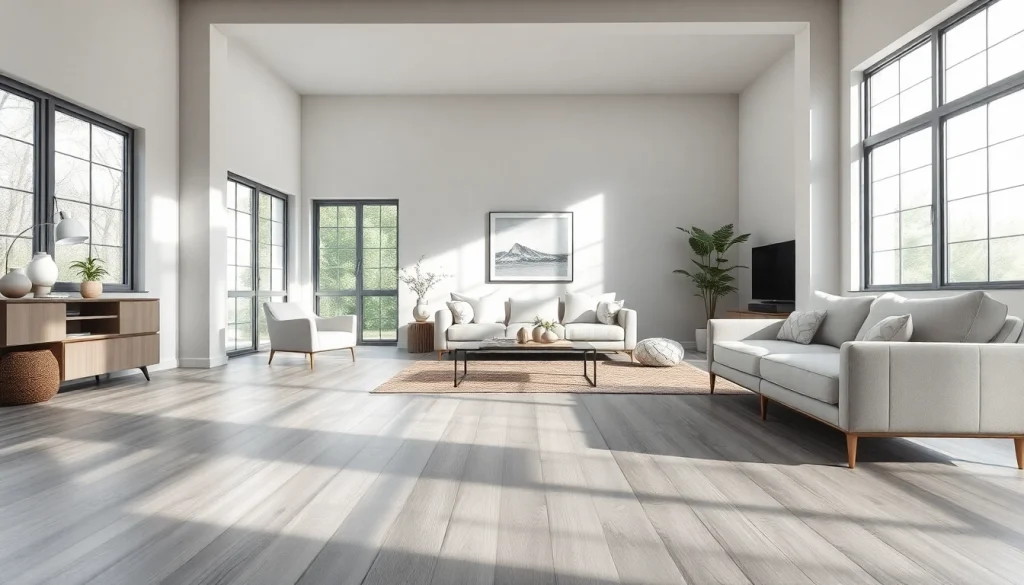
Understanding LVP Flooring
What is LVP Flooring?
Luxury Vinyl Plank (LVP) flooring is a synthetic flooring material designed to mimic the appearance of natural wood, stone, or other luxurious materials while offering superior durability and ease of maintenance. Composed of multiple layers, LVP flooring often consists of a waterproof core, a photographic layer for aesthetics, and a protective wear layer to prevent scratches and stains. This flooring option has become popular in residential and commercial spaces due to its versatility and affordability, making it an ideal choice for those seeking durability without sacrificing style.
Benefits of Choosing Best LVP Flooring
The best lvp flooring offers numerous benefits that appeal to various flooring needs. Firstly, it is cost-effective, providing a high-end look without the hefty price tag associated with natural wood or stone flooring. Secondly, LVP flooring is easy to install, often featuring click-lock mechanisms that allow for DIY installation, which can significantly reduce labor costs. Additionally, it is exceptionally durable, resistant to moisture, scratches, and stains, making it perfect for high-traffic areas. Its versatility also extends to a wide range of styles and finishes, enabling homeowners and designers to create personalized aesthetics.
Common Uses for LVP Flooring
LVP flooring is extremely versatile and can be used in various settings. Common applications include residential spaces, such as living rooms, kitchens, and bathrooms, where its water-resistant properties are beneficial. In commercial environments, it is frequently chosen for office spaces, retail locations, and hospitality venues due to its durability and ease of installation. Moreover, the ability to mimic the look of luxury materials makes LVP flooring a popular choice for renovations and new constructions alike.
Key Features of Best LVP Flooring
Durability and Longevity
One of the standout features of the best LVP flooring is its incredible durability. Crafted to withstand heavy foot traffic, LVP flooring is often constructed with a robust wear layer that offers increased resistance to scratches, dents, and stains. This longevity reduces the need for frequent replacements, making it a wise investment for both homeowners and business owners alike. With proper care, the lifespan of LVP flooring can range from 10 to 25 years, depending on the quality of the material and the environment in which it is installed.
Water Resistance Properties
In environments where moisture is a concern, the water resistance of LVP flooring is a significant advantage. Unlike traditional hardwood floors that can buckle and warp in humid conditions, LVP is designed to repel water, making it an ideal choice for kitchens, bathrooms, and basements. This waterproof functionality not only enhances the durability of the flooring but also contributes to healthier indoor air quality by preventing mold and mildew growth.
Comfort Underfoot
Beyond its formidable protection, the best LVP flooring provides comfort underfoot, catering to those who spend long hours standing or walking on floors. Many LVP products incorporate cushioned backing, enhancing comfort and reducing fatigue. As a result, this flooring is not only suitable for residential settings but also excels in commercial applications, where employee comfort is essential for productivity.
How to Choose the Right Best LVP Flooring
Consider Your Space
When selecting the best LVP flooring, evaluating the specific characteristics of your space is crucial. High-traffic areas will benefit from thicker wear layers and more resilient materials, while rooms with low foot traffic may allow for more aesthetic considerations. Additionally, consider factors such as moisture levels, sunlight exposure, and existing decor to ensure that the flooring complements your environment effectively.
Color and Design Selection
The color and design of your LVP flooring can dramatically shape the aesthetic of your space. Options range from light tones that create an airy feel to dark, rich hues that bring warmth and sophistication. It’s also essential to consider the texture and pattern, as these elements contribute to the floor’s overall visual appeal. Consulting color samples in the lighting of your home can aid in this decision, allowing for a more accurate assessment of how the flooring will look once installed.
Examining Installation Options
Choosing the right installation method can impact the final outcome of your flooring project. LVP flooring typically offers three installation options: glue-down, loose lay, and click-lock. Glue-down is ideal for high-traffic and moisture-prone areas; loose lay is beneficial for easy maintenance and replacement, while click-lock systems are perfect for DIY enthusiasts due to their simplicity. Assessing your comfort level with installation techniques, alongside the needs of your space, can help guide your choice in flooring.
Maintenance and Care for Best LVP Flooring
Daily Cleaning Tips
Maintaining the visual appeal and durability of your LVP flooring starts with daily cleaning. Using a soft-bristle broom or a vacuum without a beater bar ensures that dirt and dust are effectively removed without scratching the surface. Occasionally, a damp mop with a pH-neutral cleaner can refresh the look of your floor. However, avoid using harsh chemicals or abrasive tools, as these can damage the protective wear layer over time.
Dealing with Scratches
Even the best LVP flooring can suffer from scratches, especially in high-traffic areas. For minor scratches, using a manufacturer-approved repair kit can effectively conceal imperfections. Additionally, placing felt pads under furniture legs and using area rugs can help minimize the potential for new scratches and wear.
Long-term Care Practices
Long-term care for your LVP flooring extends beyond regular cleaning. To ensure its longevity, consider periodic deep cleaning and ensure that dirt and debris are removed promptly. Additionally, it is wise to avoid excessive moisture, which can compromise the flooring’s integrity. A good practice is to keep your home at a consistent temperature and humidity level, as extreme fluctuations can affect the flooring material.
Frequently Asked Questions
How long does best LVP flooring last?
Best LVP flooring can last 10-25 years with proper care and maintenance, ensuring lasting value for your investment.
Can best LVP flooring be installed over existing floors?
Yes, best LVP flooring can typically be installed over most existing hard floors, making it a convenient option for renovations.
Is best LVP flooring safe for pets?
Yes, best LVP flooring is durable and resistant to scratches, making it an excellent choice for households with pets.
What is the average cost of best LVP flooring?
The average cost generally ranges from $2 to $5 per square foot, depending on the quality and design of the flooring.
Do I need underlayment for best LVP flooring?
Using underlayment is recommended for enhanced comfort and sound absorption, especially in multi-story homes or apartments.