
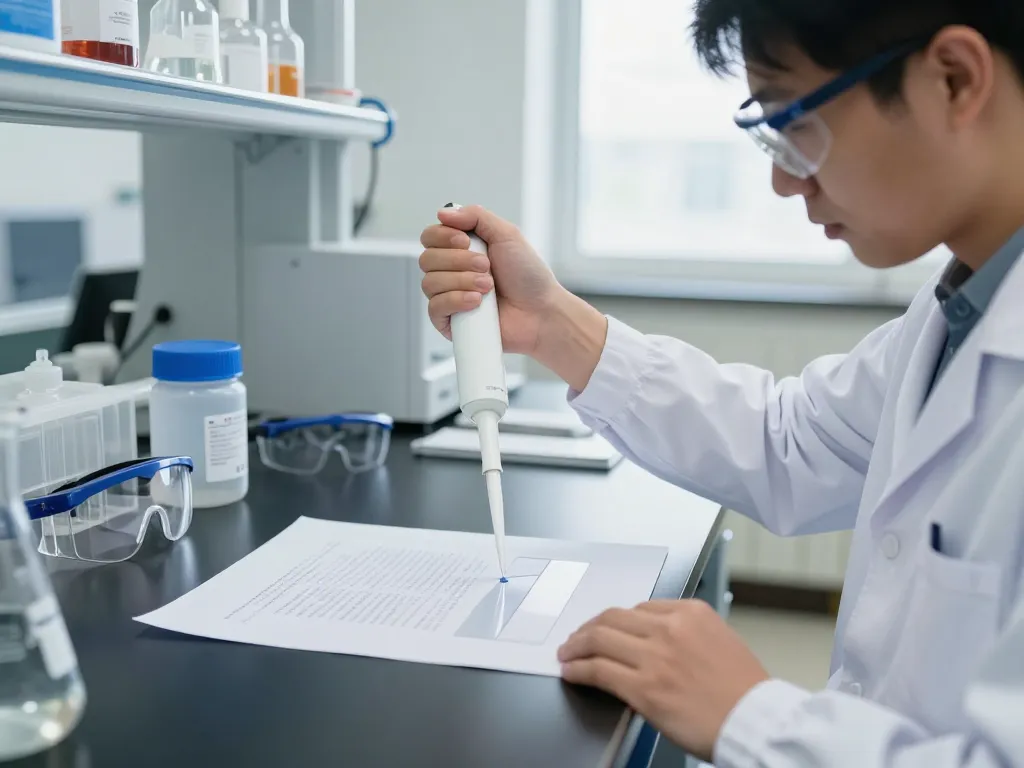
Understanding Hóa chất bóc lớp ép plastic
In an age where document preservation is essential for both personal and professional matters, the use of specialized chemicals has emerged as a vital solution. Hóa chất bóc lớp ép plastic is one such chemical that offers safe and efficient removal of plastic layers from documents, ensuring that their integrity is maintained during the process. This article explores the effectiveness, safety, and application techniques of these chemicals, especially in the context of Hanoi, where GT8 has set a benchmark in service and quality.
As more people seek reliable services for document preservation, understanding the intricacies of Hóa chất bóc lớp ép plastic becomes crucial. By leveraging advanced technology and methodologies, GT8 ensures that all paperworks, from essential certificates to personal documents, are treated with the utmost care.
What is Hóa chất bóc lớp ép plastic?
Hóa chất bóc lớp ép plastic refers to a specialized chemical solution designed to effectively separate the plastic lamination from paper documents without causing damage. The primary purpose of this chemical is to degrade the adhesive properties of the laminating plastic, thus allowing for a clean removal of the plastic layer.
Components and Functionality of the Chemicals
The chemical composition of Hóa chất bóc lớp ép plastic generally includes agents that can penetrate the layers of plastic and adhesive. The primary components involve solvents and surfactants that interact with the polyethylene compounds commonly used in laminations. When the chemical is applied, it works by disrupting the molecular bonds of the adhesive, facilitating an easier and safer removal of the plastic layer from the document.
Safety Considerations for Chemical Use
Safety is paramount when using any chemical for document preservation. Hóa chất bóc lớp ép plastic is specifically formulated to be non-toxic and safe for handling. However, it is advised to use protective gear, such as gloves and goggles, during application to minimize any risks of irritation. Proper ventilation is also recommended, ensuring that any fumes dissipate safely.
Application Techniques for Document Preservation
Using Hóa chất bóc lớp ép plastic involves a systematic approach to maximize effectiveness while safeguarding the document’s quality. When exploring options, Hóa chất bóc lớp ép plastic provides comprehensive insights for both users and professionals.
Step-by-Step Process for Chemical Application
- Start by assessing the type of lamination used on the document.
- Apply the chemical solution along the edges of the plastic layer.
- Allow the chemical to penetrate for the recommended time.
- Gently peel the plastic layer away using a soft tool, ensuring minimal pressure on the paper.
- Clean any residue left by the adhesive with a lint-free cloth.
Common Mistakes to Avoid
- Applying excessive pressure while removing the plastic can tear documents.
- Using the wrong type of chemical for specific laminates.
- Failing to allow adequate penetration time for the chemicals.
Best Practices in Document Handling
To ensure the longevity and integrity of documents post-removal, handling should be done with care. Always store documents in a cool, dry place to prevent any further damage. Using archival-quality folders can help protect them from environmental conditions.
The Science Behind the Chemicals
Chemical Reactions and Their Effects
The interaction between Hóa chất bóc lớp ép plastic and the adhesive properties of laminated materials is largely a chemical reaction. The solvents within the solution break down the polyethylene adhesive, allowing the plastic layer to separate without leaving harmful residues on the document.
Understanding Plastic Lamination Materials
Plastic laminations are typically made from various forms of polyethylene, including LDPE (Low-Density Polyethylene) and LLDPE (Linear Low-Density Polyethylene). These materials are chosen for their durability and resistance to moisture, making them ideal for document preservation but challenging to remove without the appropriate chemicals.
Innovations in Chemical Development
Recent advancements in chemical formulations have led to the development of more effective and safer solutions for document preservation. Researchers are continually exploring biodegradable options that minimize environmental impact while maintaining high efficacy.
Case Studies in Successful Application
Real-World Examples of Document Restoration
Numerous cases have illustrated the successful applications of Hóa chất bóc lớp ép plastic. For instance, a local university used these chemicals to restore valuable historical documents that had been improperly laminated, resulting in a significant improvement in their condition.
Client Testimonials on Effectiveness
Feedback from clients indicates a high satisfaction rate with the services provided by GT8. Many have noted that their documents returned to them were in pristine condition, with no signs of the previous lamination.
Comparative Analysis with Other Methods
Compared to traditional methods like heat removal, the chemical approach is less risky and yields better results. While heat can lead to document distortion, the chemical method ensures the original text and paper quality are preserved.
Future Trends in Document Preservation
Emerging Technologies in Chemical Applications
As technology evolves, the development of smarter, more efficient chemical solutions is expected. Innovations may lead not only to better efficacy in document preservation but also to faster application times, thus benefiting both service providers and customers.
Regulatory Changes and Their Impact
With increasing environmental awareness, regulations regarding chemical safety and disposal are tightening. It will be crucial for service providers to stay updated on these changes and adapt their practices accordingly.
Predictions for the Industry in 2026
The document preservation industry is likely to see significant growth as more individuals and organizations recognize the value of preserving important documents. Increased demand for safe, effective solutions will drive research and development in this field.
What are the benefits of using chemical methods for document preservation?
Chemical methods provide a less invasive and more effective way to remove plastic lamination, ensuring that documents remain intact and legible. This method significantly reduces the risk of damaging the originals, which is often a concern with other removal strategies.
How do I choose the right service for Hóa chất bóc lớp ép plastic?
When selecting a service provider, consider their experience, reviews, and the specific types of chemicals they use. A reputable service should be transparent about their methods and provide evidence of their effectiveness.
Are there risks involved with using these chemicals?
While Hóa chất bóc lớp ép plastic is generally safe, improper handling or application can lead to unwanted results. It’s essential to follow the manufacturer’s guidelines and use the chemicals in a controlled environment.
What are the signs that my documents need restoration?
Documents that exhibit signs of yellowing, brittleness, or damage from moisture may benefit from restoration. If the plastic layer is starting to peel or bubble, it is also a good indication that the document needs attention.
How can I ensure my documents remain intact during the process?
Working with a professional service that specializes in document preservation will ensure that your materials are handled with care. Always inquire about their methods and what precautions they take to protect your documents during the removal process.