
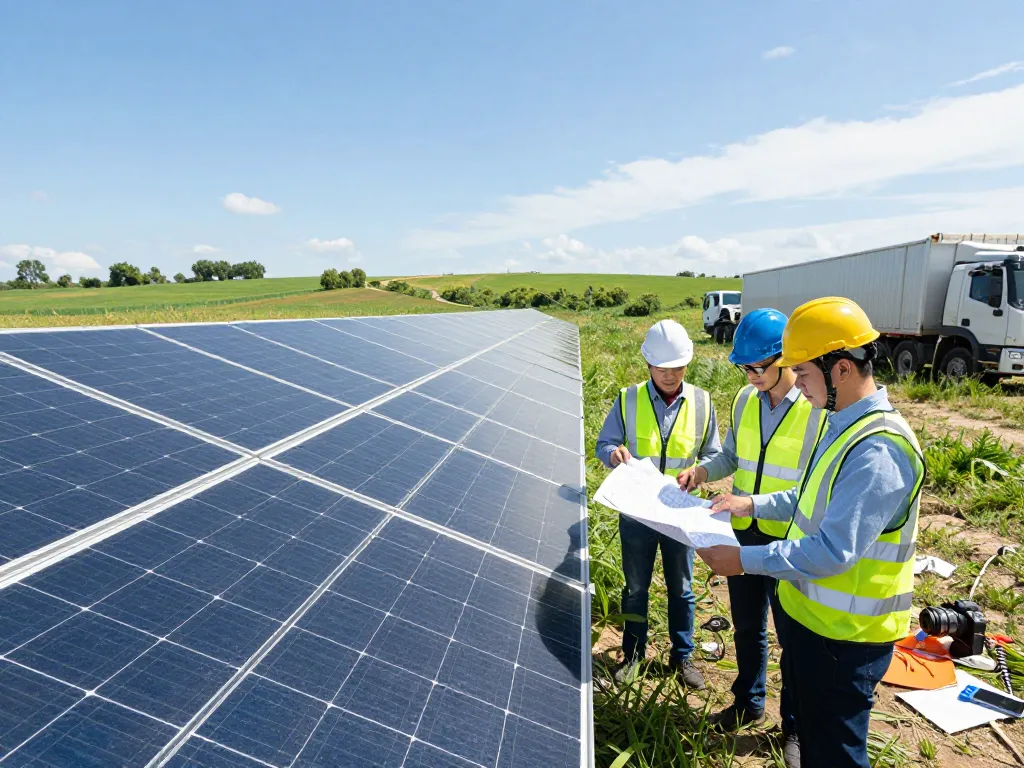
Understanding Global Power: Definitions and Importance
The term Global Power encompasses a multi-faceted concept that extends beyond mere electricity generation. In its broadest sense, it refers to a country’s or entity’s ability to influence global affairs through economic, military, and cultural strength. In today’s rapidly evolving landscape, especially as we approach 2026, understanding Global Power is critical for fostering sustainable energy solutions and economic stability. Various technologies and policies are increasingly intertwined, showcasing the importance of unified efforts towards a common goal of energy efficiency and sustainability.
When exploring options, Global Power provides comprehensive insights into how these multi-dimensional elements interact to shape our future. The transition to sustainable energy sources not only addresses the urgent need for reduced emissions but also enhances energy security, making Global Power a pivotal subject in contemporary discourse.
What is Global Power?
Global Power refers to the ability of a nation or organization to assert influence on the international stage, particularly in the realms of politics, economics, and military affairs. Countries showcasing significant Global Power often possess advanced technological capabilities, abundant natural resources, and a strong military presence. The interplay of these factors enables them to exert influence over other nations and international bodies.
The modern interpretation of Global Power is further complicated by emerging technologies and the pressing need for innovative energy solutions. The rise of renewable energy sources and smart technologies compels an understanding of how these elements contribute to a nation’s power profile in the 21st century.
The Role of Global Power in Energy Transition
The transition from fossil fuels to renewable energy sources is a cornerstone of Global Power in the contemporary era. Nations leading this shift are not only reducing their carbon footprint but also setting the stage for economic growth through the development of new industries and job opportunities. Countries like Germany with its Energiewende (energy transition) initiative exemplify this trend by investing heavily in renewable energy technologies that serve both local and global markets.
Additionally, Global Power plays a crucial role in international collaborations, such as the Paris Agreement, where countries commit to shared goals of reducing greenhouse gas emissions. This collaborative effort is vital for developing countries that may lack the resources to transition independently. Global Power, therefore, is intricately linked to the ability to lead and collaborate in global environmental agreements.
Impact of Global Power on Economy and Society
The economic implications of Global Power are profound. Nations that optimize their energy resources and prioritize sustainability typically experience increased economic stability and growth. The shift towards cleaner energy not only creates new job markets but also stimulates technological innovation, offering solutions to some of the most pressing challenges of our time.
Moreover, societal impacts are equally significant. As countries invest in sustainable energy, they enhance social equity by providing access to affordable and clean energy sources. This is particularly important in underdeveloped regions where access to electricity can drastically improve quality of life and open opportunities for economic development.
Challenges Facing Global Power Initiatives in 2026
Despite the promising horizon for Global Power, several challenges threaten the successful transition to sustainable energy systems. From logistics to regulations, these challenges must be navigated effectively to harness the potential benefits of Global Power initiatives.
Technical and Logistical Constraints
One of the most pressing issues is the technical limitations of existing infrastructure. Many countries rely on outdated power generation systems that are not designed to integrate renewable energy sources efficiently. Transitioning to a more flexible energy grid is essential to accommodate the variable nature of renewables such as solar and wind power.
Logistical challenges also present significant barriers. The distribution of energy, especially across vast geographic areas, requires advanced technologies and significant investment in infrastructure, including smart grids and energy storage solutions. Without addressing these logistical hurdles, the full potential of Global Power may remain unrealized.
Regulatory Obstacles and Policy Frameworks
Regulatory frameworks often lag behind the pace of technological advancements, leading to bottlenecks in the implementation of Global Power initiatives. Inconsistent policies across borders can hinder international cooperation and impede the sharing of best practices, technology, and resources.
Creating cohesive policy frameworks that support innovation while ensuring environmental and social standards are met is crucial. Policymakers must prioritize developing regulations that facilitate the integration of renewable energy into existing infrastructures, making it easier for investors and businesses to commit to sustainable projects.
Environmental Concerns and Sustainability Issues
While Global Power initiatives aim to provide cleaner energy solutions, they also pose environmental challenges. The production of renewable technologies, such as solar panels and wind turbines, involves mining and resource extraction that can have negative environmental consequences. Striking a balance between technological advancement and environmental sustainability is crucial for the future of Global Power.
Addressing these issues will require ongoing research and development to create new technologies that minimize environmental impacts while maximizing energy efficiency. Comprehensive sustainability assessments should be integral to all Global Power initiatives to ensure that the ultimate goal remains the reduction of greenhouse gas emissions.
Best Practices for Implementing Global Power Solutions
Adopting best practices for the implementation of Global Power initiatives can significantly enhance their effectiveness and sustainability. Successful programs often share common strategies that facilitate innovation and community engagement.
Innovative Technologies in Energy Generation
Embracing innovative technologies is critical in the quest for sustainable energy. Advancements in energy storage, such as battery technologies, and the integration of smart grid systems are at the forefront of Global Power solutions. These technologies enable the efficient use of renewable energy sources and allow for greater flexibility in energy management.
Innovations including decentralized energy sources, such as rooftop solar panels and local wind turbines, empower communities to take control of their energy needs while reducing reliance on centralized power systems.
Effective Project Management Strategies
For Global Power initiatives to succeed, robust project management strategies must be in place. This includes comprehensive planning and risk assessment, stakeholder engagement, and continuous monitoring of project performance. Clear communication among all parties involved fosters collaboration and ensures that objectives are met efficiently.
Utilizing project management tools and methodologies, such as Agile and Lean practices, can help teams remain adaptive and responsive to challenges as they arise, ultimately driving project success.
Community Involvement and Support
Engaging local communities is essential for the successful implementation of Global Power initiatives. Community buy-in fosters trust and ensures that projects meet the specific needs and concerns of residents. Involving communities in decision-making processes not only enhances transparency but also promotes local ownership of energy solutions.
Public outreach campaigns that educate residents on the benefits of renewable energy and involve them in planning processes can yield better acceptance and support for Global Power projects.
Real-World Examples of Successful Global Power Projects
Examining successful Global Power projects provides insights into effective practices and strategies that can be applied elsewhere. These case studies illustrate how innovation, collaboration, and community involvement can lead to positive outcomes.
Case Study: Solar Power in Urban Areas
Cities worldwide are increasingly turning to solar power as a viable energy solution. Projects like SolarCity in the United States exemplify how urban environments can integrate solar energy into their energy mix. By providing incentives for homeowners and businesses to install solar panels, these initiatives not only reduce carbon emissions but also create local jobs in the renewable energy sector.
Case Study: Wind Energy Initiatives
Wind energy is another domain where successful Global Power projects have emerged. Countries like Denmark have pioneered offshore wind farms, establishing themselves as leaders in renewable energy. These projects demonstrate the feasibility of large-scale wind energy generation while contributing to national energy security and sustainability goals.
Lessons Learned from Global Power Implementation
The lessons learned from these case studies highlight the importance of adaptability and responsiveness in project implementation. Successful Global Power initiatives are characterized by continuous improvement and the willingness to embrace new technologies and methodologies. Engaging with stakeholders and assessing social, economic, and environmental impacts early in the planning process fosters better outcomes and supports sustainable energy transitions.
Future Trends in Global Power and Energy Sector
As we look towards the future, several key trends are expected to shape the Global Power landscape in the coming years. Technological advancements, changing consumer behaviors, and shifting policies will all play significant roles in this evolution.
Emerging Technologies to Watch in 2026
Emerging technologies will continue to drive change within the Global Power landscape. Innovations in artificial intelligence and data analytics are revolutionizing energy management, enabling real-time monitoring and predictive maintenance to optimize energy use. Additionally, advancements in hydrogen fuel technology and energy efficiency solutions are set to make waves in the renewable sector.
The Shift Toward Decentralized Energy Systems
A noteworthy trend is the shift towards decentralized energy systems, where energy generation and consumption occur locally. This movement is powered by advancements in renewable technologies and storage solutions, allowing communities to become more energy-independent. As this trend grows, it will fundamentally alter the traditional energy landscape, empowering consumers to take charge of their energy needs.
Forecasting the Global Power Landscape
Forecasting the future of Global Power involves considering various factors, including technological, political, and societal shifts. As countries strive for energy independence and sustainability, collaborative frameworks will emerge to address shared challenges and opportunities. This interconnected approach will likely enhance Global Power initiatives and lead to a more sustainable energy future.
What are the Benefits of Implementing Global Power Solutions?
Implementing Global Power solutions brings numerous benefits, including increased energy security, economic growth, job creation, and environmental sustainability. These solutions often result in lower energy costs for consumers and businesses while simultaneously contributing to the reduction of carbon emissions.
How Can Communities Engage with Global Power Projects?
Communities can engage with Global Power projects by participating in local energy planning processes, joining advocacy groups, and supporting renewable energy initiatives. Education campaigns that inform residents about the benefits of renewable energy can foster greater community involvement and acceptance.
What are the Risks Associated with Global Power Adoption?
While the benefits of adopting Global Power initiatives are significant, there are also risks involved. These include financial risks associated with investment in new technologies, regulatory challenges, and potential backlash from communities resistant to change. Addressing these risks involves thorough planning and stakeholder engagement.
How Do Government Policies Impact Global Power Initiatives?
Government policies play a critical role in shaping the Global Power landscape. Subsidies, tax incentives, and regulations can either promote or hinder the growth of renewable energy sectors. Policymakers must consider long-term strategies that align with sustainable development goals to maximize the potential of Global Power initiatives.
What Innovations are Shaping the Future of Global Power?
Innovations in energy generation, storage, and management technologies are continuously shaping the future of Global Power. Investment in research and development will play an essential role in discovering new solutions that can lower costs, enhance efficiency, and promote sustainable practices within the energy sector.