
Understanding Bed Bugs and Their Behavior
Bed bugs, small nocturnal insects, have become a growing concern for homeowners and businesses alike, particularly in urban areas such as Milwaukee. These pests are notorious for their ability to thrive in various environments, often hitching rides on unsuspecting travelers or used furniture. To effectively combat this issue, it’s vital to understand their behavior, signs of infestation, and the most efficient treatment options available. Among these options, bed bug heat treatment stands out for its effectiveness and eco-friendliness in eliminating these pests entirely.
What Are Bed Bugs?
Bed bugs, scientifically known as Cimex lectularius, are small, flat, and reddish-brown insects that feed on the blood of humans and animals. Adult bed bugs typically measure about 4-5 mm in length, resembling apple seeds. Their size makes them particularly difficult to spot, especially since they often hide during the day in cracks, crevices, and the seams of mattresses. Despite their small stature, they can cause significant discomfort through their bites, which often lead to itchy welts and allergic reactions in some individuals.
Signs of a Bed Bug Infestation
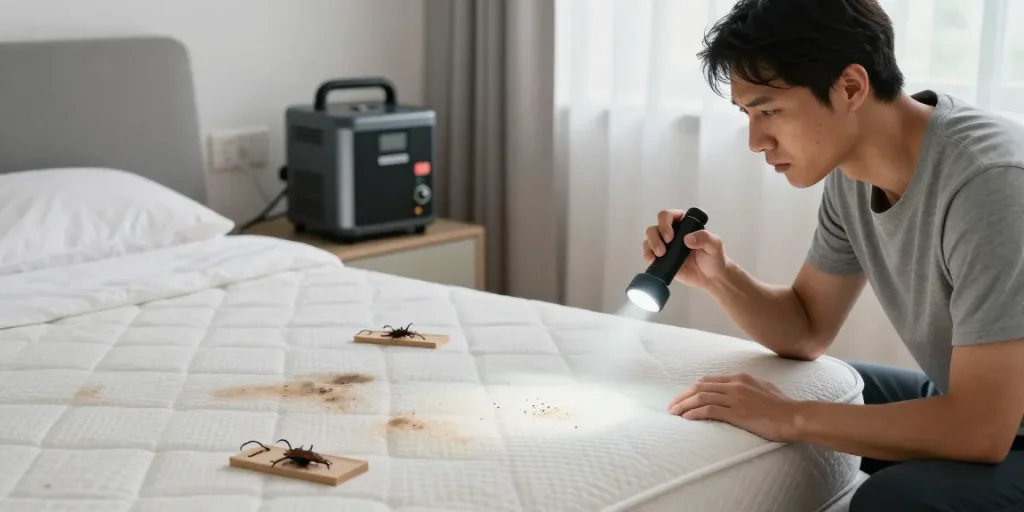
Identifying a bed bug infestation early can save homeowners from extensive damage and costly treatments. Some common signs include:
- Visible bed bugs or shed skins in areas where they hide.
- Small bloodstains on bedding or mattresses.
- Dark spots (bed bug feces) on sheets or walls.
- Persistent itchy welts on the skin, often in clusters or lines.
If you notice these signs, it’s crucial to take immediate action to prevent the infestation from spreading further.
How Bed Bugs Behave and Spread
Bed bugs are excellent hitchhikers, often traveling unknowingly with people in clothing, luggage, or used furniture. They are most commonly found in places where people gather, such as hotels, public transport, and dormitories. Bed bugs can also spread between apartments through wall cracks and other openings. Their ability to reproduce quickly is alarming, with a female bed bug capable of laying up to 500 eggs in her lifetime, leading to rapid population growth if left unchecked.
The Science Behind Bed Bug Heat Treatment
When considering the various pest control methods available, it’s essential to understand how heat treatment works and why it is preferred by many pest control experts.
How Heat Treatment Works
Bed bug heat treatment involves raising the temperature in an affected area to a level that is lethal to bed bugs and their eggs, typically between 120°F and 140°F (49°C to 60°C). This method is advantageous because it penetrates all areas where bed bugs might hide, including the seams of mattresses and furniture. The heat effectively kills all life stages of bed bugs, from eggs to adults, ensuring comprehensive eradication.
Benefits of Heat Treatment Over Chemicals
While chemical treatments can be effective, they often require multiple applications and can leave behind harmful residues. In contrast, heat treatment is non-toxic and environmentally friendly, making it a safer choice for homes with children and pets. Some benefits include:
- Immediate results—bed bugs die upon exposure to high temperatures.
- Eco-friendly solution that doesn’t involve harmful chemicals.
- Reduces allergens, as it also eliminates dust mites and other irritants.
Common Misconceptions About Heat Treatment
Despite its effectiveness, several misconceptions about heat treatment persist. Some believe it may damage property or that it is less effective than chemical treatments. However, professional pest control specialists utilize specialized equipment to control temperatures safely, ensuring no damage occurs to your belongings. Many studies have proven that heat treatment effectively eliminates bed bugs without the drawbacks associated with chemical sprays.
Preparing for Bed Bug Heat Treatment
Proper preparation is key to maximizing the effectiveness of heat treatment. Understanding what to expect and how to prepare can make the process smoother.
Initial Inspection and Assessment
Before any treatment, a thorough inspection is conducted to identify the extent of the infestation. Professionals will examine your home, focusing on common hiding spots such as mattresses, bed frames, and furniture. This inspection helps determine the best approach and ensures that all affected areas are treated.
Steps Homeowners Should Take
To prepare for bed bug heat treatment, homeowners should take the following precautions:
- Remove all items from the affected area, including clothing, toys, and other personal belongings.
- Wash and dry bedding, curtains, and clothing at high temperatures.
- Inform the exterminator of any specific areas of concern.
- Ensure that pets and plants are safely relocated during treatment.
What to Expect During the Treatment Process
During the heat treatment process, technicians will set up specialized equipment to raise the temperature in the infested area. Homeowners are usually advised to stay away from the premises for several hours to ensure the process is effective and safe. The entire treatment could last anywhere from a few hours to a full day, depending on the size of the area being treated.
Effectiveness and Cost of Heat Treatment
Understanding the effectiveness and cost of heat treatment compared to other methods can help homeowners make informed decisions.
Comparing Treatment Costs: Heat vs. Chemical
The cost of bed bug treatments can vary widely based on the severity of the infestation and the treatment method chosen. While heat treatments may have a higher upfront cost, they often result in fewer follow-up treatments and longer-lasting results, making them more cost-effective in the long run. Chemical treatments, while initially cheaper, may require several applications and can lead to ongoing costs.
Long-Term Results and Prevention
Bed bug heat treatment offers long-term relief by eliminating not only visible bugs but also eggs and larvae, significantly decreasing the chances of re-infestation. To maintain a bed-bug-free environment, homeowners should:
- Regularly inspect their living space for signs of bed bugs.
- Be cautious when traveling and inspect hotel rooms for evidence of bed bugs.
- Seal cracks and crevices in walls and floors to prevent bed bugs from entering.
Real-World Case Studies and Testimonials
Numerous case studies demonstrate the effectiveness of heat treatments. For example, a recent case involving 22 apartments showed that heat treatment eliminated the infestation completely, even in challenging conditions. Many satisfied customers have shared testimonials online, emphasizing the thoroughness and efficiency of the heat treatment process.
Future of Bed Bug Control in 2026
The pest control industry is continuously evolving, and new technologies are emerging to combat bed bugs more effectively.
Emerging Technologies in Pest Control
Innovations such as smart monitoring systems and advanced heat treatment equipment are being developed to enhance efficacy and efficiency. These technologies aim to improve detection methods and treatment precision, minimizing the chances of re-infestation and improving pest management practices.
Trends in Eco-Friendly Treatments
As more consumers prioritize environmentally safe solutions, there is a growing demand for treatments that do not rely on harmful chemicals. Eco-friendly methods, including heat treatment, are becoming increasingly popular among pest control professionals and clients alike.
Predictions for Bed Bug Management
Looking ahead, the management of bed bugs will likely emphasize proactive measures, leveraging technology for early detection and effective treatment. Education and awareness will play crucial roles, helping communities understand how to prevent infestations and respond swiftly to any signs of bed bugs.
What Are the Signs of a Bed Bug Infestation?
Common signs include itchy welts on the skin, blood spots on bedding, and the presence of bed bugs or their shed skins. Early detection is critical in preventing a small problem from becoming a full-blown infestation.
How Effective is Bed Bug Heat Treatment?
Heat treatment is extremely effective, killing all life stages of bed bugs within minutes of exposure. Many pest control experts recommend it for its thoroughness and eco-friendliness.
Can I Use DIY Methods for Bed Bug Control?
While some DIY methods may kill individual bed bugs, they are often not effective for eliminating entire infestations. Professional treatments, such as heat treatment, are recommended for comprehensive pest management.
What Should I Expect During a Bed Bug Treatment?
During a professional heat treatment, expect to vacate the premises for several hours. Technicians will monitor the temperature closely to ensure it reaches levels lethal to bed bugs without damaging your property.
Are Bed Bugs Dangerous to My Health?
While bed bugs are not known to spread diseases, their bites can lead to allergic reactions, anxiety, and loss of sleep. Effective control measures are essential for ensuring a safe and comfortable living environment.