
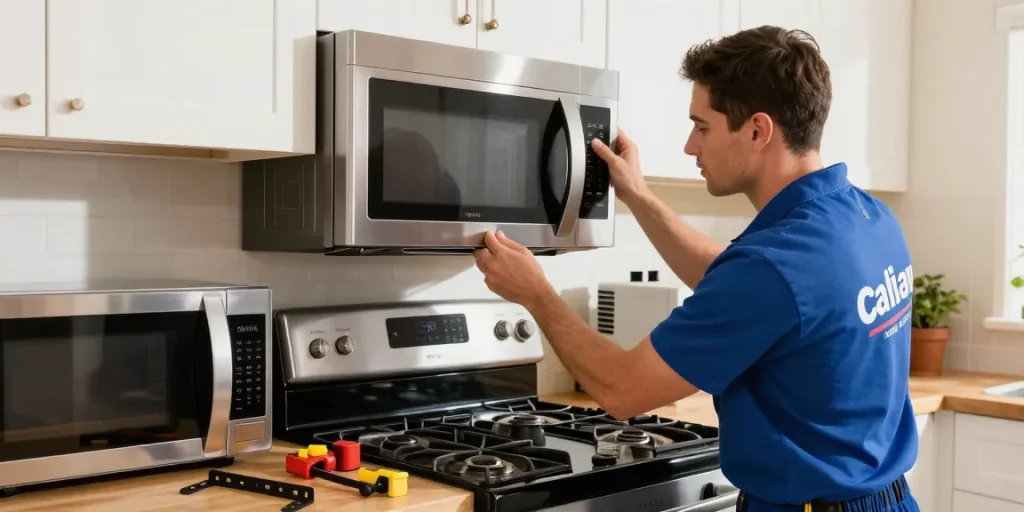
Understanding Microwave Installation Basics
Microwave installation requires more than just placing an appliance over your stove; it involves meticulous planning and expert execution to ensure safety and functionality. Whether you are replacing an outdated unit or installing a microwave for the first time, the installation process can be complex and fraught with potential challenges. Understanding the fundamentals of microwave installation is crucial to ensuring a successful setup that enhances both the aesthetics and functionality of your kitchen. For those exploring options, Microwave Installation services provide comprehensive insights into everything you need to know.
What is Microwave Installation?
Microwave installation refers to the process of securely mounting a microwave appliance, often above the kitchen range, while ensuring proper electrical connections and ventilation. This kind of installation is essential for modern kitchens, as it helps save counter space and integrates the microwave into the kitchen’s design. There are two main types of installations: ducted, where air is vented outside, and ductless (recirculating), where air is filtered and returned to the kitchen.
Benefits of Professional Microwave Installation
Hiring a professional for microwave installation offers several advantages:
- Expertise: Professionals have the skills and tools required to handle the intricacies of installation, ensuring that every step conforms to safety codes.
- Time Efficiency: A professional can complete the installation much faster than a DIY attempt, allowing you to enjoy your new appliance sooner.
- Warranty Protection: Many manufacturers require professional installation for warranty coverage, protecting your investment.
- Safety Compliance: A professional understands local building codes and ensures that installations meet all safety standards, reducing the risk of hazards.
Common Installation Challenges
While installing a microwave can seem straightforward, several common challenges can arise:
- Unit Doesn’t Align with Cabinetry: Ensuring your microwave fits perfectly within the existing cabinetry can be tricky.
- Incorrect or Missing Vent Setup: Proper venting is crucial for efficiency and to prevent overheating.
- Lack of Proper Wall Support: Mounting brackets need to be secured to wall studs for stability.
- Wiring Without an Outlet: This can pose a significant problem, especially if the microwave is hardwired.
- Cabinet Damage or Misalignment: Improper installation can lead to costly repairs.
Preparing for Your Microwave Installation
Before beginning the installation process, proper preparation is vital to ensure a seamless experience. This includes selecting the right microwave model, gathering the necessary tools, and assessing your kitchen’s electrical and ventilation requirements.
Choosing the Right Microwave for Your Space
Microwaves come in various sizes and styles, and selecting the right model is essential for both functionality and aesthetics. Consider the following when choosing:
- Size: Measure the space above your stove to ensure proper fit.
- Style: Choose between over-the-range, countertop, or built-in models based on your kitchen’s layout.
- Features: Look for features that suit your cooking style, such as sensor cooking, convection options, or smart technology.
Essential Tools and Materials Needed
Having the right tools on hand can significantly simplify the installation process. Common tools required include:
- Power drill
- Screwdriver
- Stud finder
- Tape measure
- Level
- Safety glasses and gloves
Assessing Electrical and Ventilation Requirements
Before installation, it is critical to assess your kitchen’s electrical setup and ensure appropriate ventilation. Key considerations include:
- Check if there is a nearby electrical outlet or if hardwiring is necessary.
- Determine whether the microwave will be vented outside or if recirculation is required.
- Verify that the microwave’s power requirements match your home’s electrical system.
Step-by-Step Guide to Microwave Installation
This guide will walk you through the essential steps for installing your microwave properly.
Removing the Old Microwave Safely
If you are replacing an existing microwave, the first step is safely removing the old unit. Ensure the power is off, disconnect any wiring, and carefully remove the mounting brackets.
Mounting the New Microwave: Bracket Setup
Once the old microwave is removed, it’s time to mount the new unit. Follow these steps:
- Locate the wall studs and mark their positions.
- Install the mounting bracket according to the manufacturer’s instructions, ensuring it is level and securely anchored.
- Use spacers if necessary to accommodate any cabinetry misalignment.
Connecting Power and Ensuring Compliance
After mounting the microwave, connect the power supply. If there are no outlets, you may need to hardwire the unit or have an electrician install an outlet. Make sure all connections comply with local electrical codes to ensure safety.
Special Considerations for Various Brands
Different microwave brands may have unique installation requirements. Here are some brand-specific insights.
Installing Samsung Over-the-Range Microwaves
Samsung microwaves often feature sleek designs and advanced technology. Ensure that you follow the specific installation guidelines provided in the user manual, particularly regarding vent configurations and the mounting template.
Expert Tips for LG and GE Microwave Installations
LG microwaves might include additional features such as Wi-Fi connectivity. When installing, pay special attention to aligning the microwave properly to avoid any operational issues, especially with advanced features like sensor cooking.
Addressing Unique Features of Whirlpool Models
Whirlpool’s over-the-range microwaves come with built-in venting options. Make sure to configure your microwave’s fan setup according to the vent type you choose (ducted or ductless) to ensure efficient airflow.
Maintaining Your Microwave Post-Installation
Proper maintenance can extend the life of your microwave and enhance its performance. Here are some tips to keep your appliance in optimal condition.
Regular Cleaning and Care Tips
Cleaning your microwave regularly will help remove odors and prevent the buildup of grease. Use a gentle cleaner and a soft cloth to wipe the interior, and avoid abrasive materials that can scratch the surface.
Troubleshooting Common Microwave Issues
If you encounter problems such as uneven heating or unusual noises, refer to the user manual for troubleshooting tips. Common fixes might include checking the turntable’s alignment or ensuring that the microwave door closes securely.
When to Call a Professional for Repairs
If issues persist after troubleshooting, it may be time to consult a professional. Problems related to electrical components or internal wiring should always be handled by a qualified technician to ensure safety.
How much does installing a microwave cost?
The cost of microwave installation can vary widely based on factors such as complexity, type of installation (ducted vs. ductless), and the regional cost of labor. On average, homeowners can expect to pay anywhere from $150 to $500 for professional installation services.
What should I consider when replacing my old microwave?
When replacing an old microwave, consider its size, capacity, and features that may provide enhanced convenience or energy efficiency. Additionally, ensure that your new model is compatible with existing ventilation and electrical setup.
Do you provide warranty or service after installation?
Many professional installation services, including Wilson & Myers, often include a warranty covering the installation work. This provides peace of mind and assurance that any unforeseen issues will be addressed promptly.
Can I install a microwave ventless?
Yes, there are many over-the-range microwaves designed for ventless operation. These models utilize filters to recirculate air instead of venting it outside; however, they require regular filter replacement to maintain efficiency.
What are the benefits of a professional installation service?
Professional installation services ensure that your microwave is installed correctly, safely, and in compliance with local codes, providing not just peace of mind but also enhancing the functionality and longevity of the appliance.