
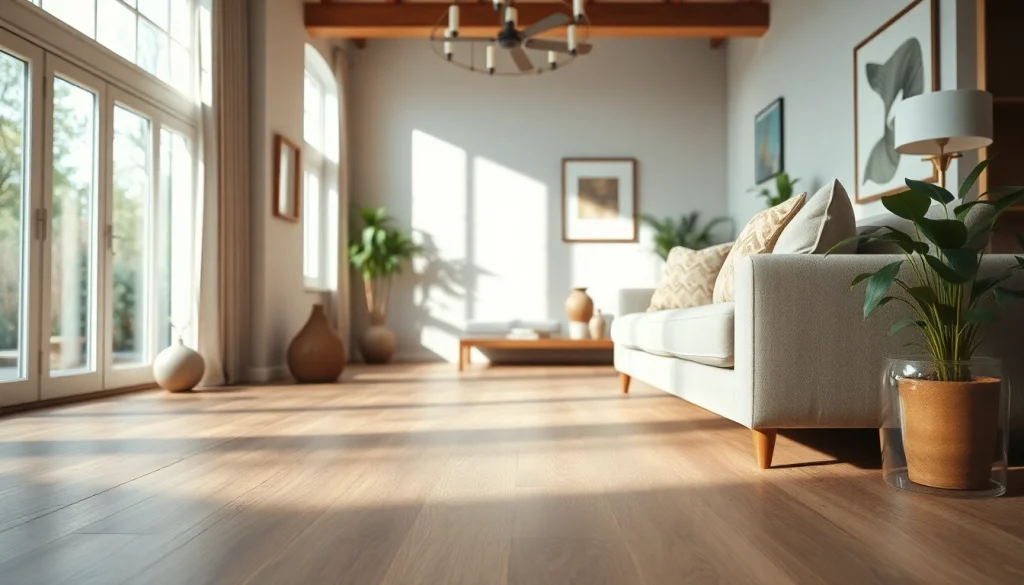
Understanding Waterproof Vinyl Flooring
What is Waterproof Vinyl Flooring?
Waterproof vinyl flooring is a flooring solution designed to resist water and moisture, making it an excellent choice for various settings, especially areas prone to spills or high humidity, such as kitchens and bathrooms. Unlike traditional vinyl flooring, which can be susceptible to water damage, waterproof vinyl is engineered with advanced materials that minimize permeability. The core of this type of flooring is constructed using a blend of materials that not only enhance its water resistance but also provide durability and comfort. As you consider flooring options for your home, waterproof vinyl flooring stands out due to its blend of aesthetics, functionality, and ease of maintenance.
Key Features of Waterproof Vinyl Flooring
Waterproof vinyl flooring is characterized by several key features that make it a popular choice among homeowners and designers alike:
- Water Resistance: As the name suggests, this flooring is designed to withstand spills, moisture ingress, and fluctuating humidity levels.
- Durability: Waterproof vinyl is incredibly strong and resistant to scratches, dents, and impacts, making it suitable for high-traffic areas.
- Comfort: The flooring is softer underfoot than tile or hardwood, providing a more comfortable walking surface.
- Easy Maintenance: It can be cleaned effortlessly with a damp mop or cloth, and it doesn’t require refinishing like hardwood.
- Variety of Styles: Available in an array of colors, patterns, and textures, waterproof vinyl can mimic natural materials like wood and stone.
Benefits of Choosing Waterproof Vinyl Flooring
Choosing waterproof vinyl flooring offers numerous benefits that contribute to its growing popularity:
- Affordability: Generally, waterproof vinyl flooring is more affordable than other flooring options, including hardwood and stone.
- Installation Flexibility: It can be installed over existing flooring, saving time and money during renovation projects.
- Allergy-Friendly: Its non-porous surface does not harbor dust mites, mold, or mildew, making it a healthier choice for indoor environments.
- Sound Insulation: Waterproof vinyl flooring can reduce noise levels within the home thanks to its cushioning properties.
Installation Process for Waterproof Vinyl Flooring
Preparing the Subfloor
The first step in installing waterproof vinyl flooring is preparing the subfloor. A clean, dry, and level surface is crucial for proper installation. Remove any existing flooring, and address any cracks, holes, or uneven areas. If the subfloor is wood, ensure it is smooth and secure. If it’s concrete, sweep and clean thoroughly, before considering any needed leveling compound.
Tools and Materials Needed
Before starting the installation, gather the necessary tools and materials. You’ll need:
- Waterproof vinyl flooring planks or tiles
- Utility knife
- Measuring tape
- Straight edge or T-square
- Leveling compound (if necessary)
- Adhesive (for glue-down installation)
- Spacers (for floating installations)
Step-by-Step Installation Guide
Follow these detailed steps for a successful installation:
- Acclimate the Flooring: Let the flooring acclimate in the room for at least 48 hours before installation to adjust to the ambient temperature and humidity.
- Measure the Space: Measure the room to calculate the amount of flooring needed, taking into account the layout and any patterns.
- Plan the Layout: Plan the layout of the planks or tiles, starting from the center of the room for a balanced design.
- Install by Securing or Floating: Depending on whether you are doing a glue-down, interlocking (floating), or click-lock installation, apply adhesive or connect the pieces according to instructions.
- Cut and Fit: Use a utility knife to cut pieces as necessary for edges and corners, ensuring that there are no gaps to allow moisture in.
- Finish the Edges: Add trim or molding as needed around the perimeter of the room to achieve a polished look.
Maintenance Tips for Longevity
Routine Cleaning Practices
To keep your waterproof vinyl flooring looking new, regular maintenance is essential. Sweep or vacuum frequently to remove dirt and debris. Mop occasionally with a gentle cleaning solution designed for vinyl floors, ensuring not to use excessive water, which can affect the flooring over time.
Dealing with Stains and Spills
In the event of spills, it’s crucial to act quickly. Wipe up any liquid immediately with a soft cloth or paper towel to prevent slipping hazards. For stubborn stains, a mild detergent diluted in water can be used, followed by thorough rinsing with a clean damp cloth.
How to Preserve Your Flooring’s Finish
To maintain the finish of your waterproof vinyl flooring, avoid harsh chemicals and abrasive cleaning tools that can scratch the surface. Place rugs or mats at entry points to minimize dirt and debris tracked onto the floors. Limiting exposure to direct sunlight can also help maintain color over time.
Comparing Waterproof Vinyl Flooring with Other Flooring Options
Waterproof Vinyl vs. Laminate Flooring
Both waterproof vinyl and laminate flooring offer affordability, but waterproof vinyl excels in water resistance, making it suitable for moisture-prone areas like bathrooms. Laminate flooring, while stylish, may not perform well under constant exposure to water.
Waterproof Vinyl vs. Hardwood Flooring
Hardwood flooring provides unmatched beauty and value but comes with a higher maintenance requirement, prone to warping and damage from water. Waterproof vinyl flooring mimics wooden appearance while standing up to moisture without the risk of damage.
Cost Comparison and Value Assessment
When assessing cost, waterproof vinyl flooring generally presents a lower price point compared to hardwood alternatives, offering excellent durability without sacrificing style. Its lower maintenance costs also add to its overall value proposition.
FAQs About Waterproof Vinyl Flooring
Is waterproof vinyl flooring suitable for bathrooms?
Yes, waterproof vinyl flooring is an excellent choice for bathrooms due to its moisture resistance and ease of maintenance.
How long does waterproof vinyl flooring last?
With proper care, waterproof vinyl flooring can last up to 20 years or more, making it a durable flooring option.
Can waterproof vinyl flooring be installed over existing floors?
Yes, waterproof vinyl flooring can be installed over most existing floors, provided the surface is clean, dry, and level.
Is waterproof vinyl flooring eco-friendly?
Some waterproof vinyl flooring options are designed with sustainable materials, making them an eco-friendly choice. Check the manufacturer’s specifications.
What are the best cleaning products for waterproof vinyl flooring?
Mild cleaning solutions specifically formulated for vinyl flooring are best. Always follow the manufacturer’s guidelines when selecting products.